How Community Holds You
A lot changes when you’re suddenly holding your mother’s ashes. Your world tilts. You look at your friend and ask, “Is your dad in a box, too?” Then you laugh and go to breakfast.
It isn’t all that funny, holding a box of ashes. But humour is necessary. So is being held after a loss, both literally and figuratively. There are things you can say to someone who has been through it that would sound strange to anyone else. Somehow, they know exactly what you mean.
When On Autopilot
Through long stretches of highway, we drove over ice and snow to bring Mom to a funeral home, and a few weeks later, I brought her back to Haida Gwaii. It is not for the faint of heart. But the thought of my Dad taking that journey alone pained me more than doing it. Three days after Mom passed, I was ordering supplies at Costco. If I am a Recreation Coordinator, I can coordinate a Celebration of Life, a duty to her and Dad, I thought.
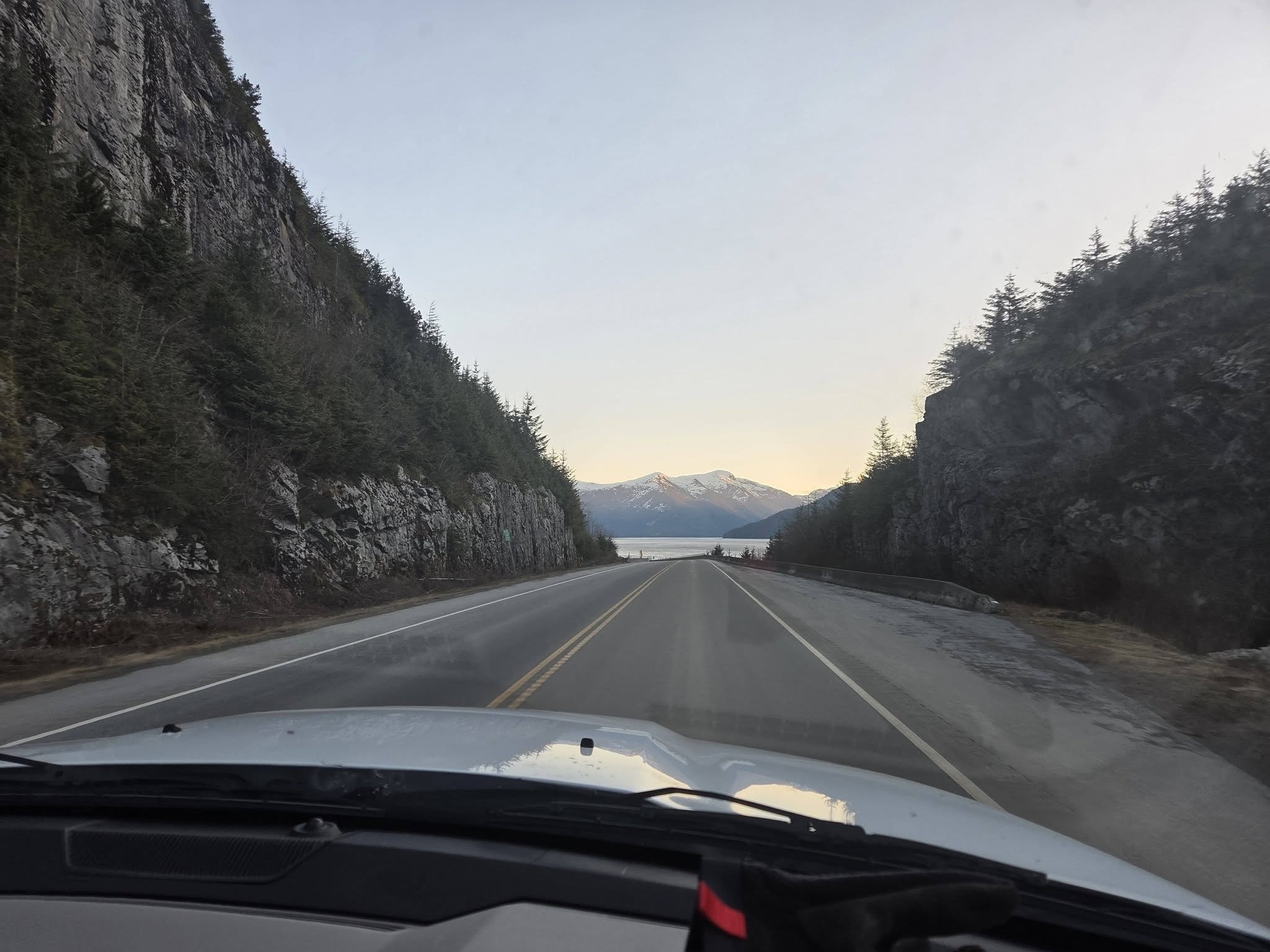
Your body goes on autopilot. You work, eat, organize, graciously accept thoughts and well-wishes, write the Eulogy, defer your plans or keep them, and bring them with you. An absolute realization that you are no longer the same person, nor are those around you, takes time to accept. We go back to work, but we don’t go back.
Someone builds a box for transport. Others help with transportation. Many people you only see in passing become familiar, part of those intimate moments. When a towering man over six feet says your mom looked like an Angel, knowing we took care of her after her life ended, you really see the other side and the care that we are given.
On the Answering Machine
Answering the phone was Mom’s favourite pastime. But as she grew tired, the phone became harder to pick up.
In the weeks before Mom died, her friend Anne called. Mom was tired, but when the answering machine picked up and I told her it was Anne, she got up to take the call. I mentioned that I thought I’d seen Anne at the hospital, too. Mom wanted to know how her elderly friend was doing. They had a lovely chat. After Mom died, I was sitting in the house one night when I heard Anne’s voice on the answering machine again. This time, she was leaving a message for Dad, sending him her love.
The phone stopped working after that, and we blame our phone-loving mother for it - if she can’t answer it, no one can! We haven’t been able to retrieve the messages. Dad never heard it. But I did. I can’t remember Anne’s exact words anymore, and the phone no longer works, so I can’t play it back. Still, I feel a kind of sacred duty to remember that she called. I remember the care in her voice and how it felt to hear someone reaching out to Dad after Mom was gone.
Cards, Flowers, and Glass Balls
They came before, during, and after.
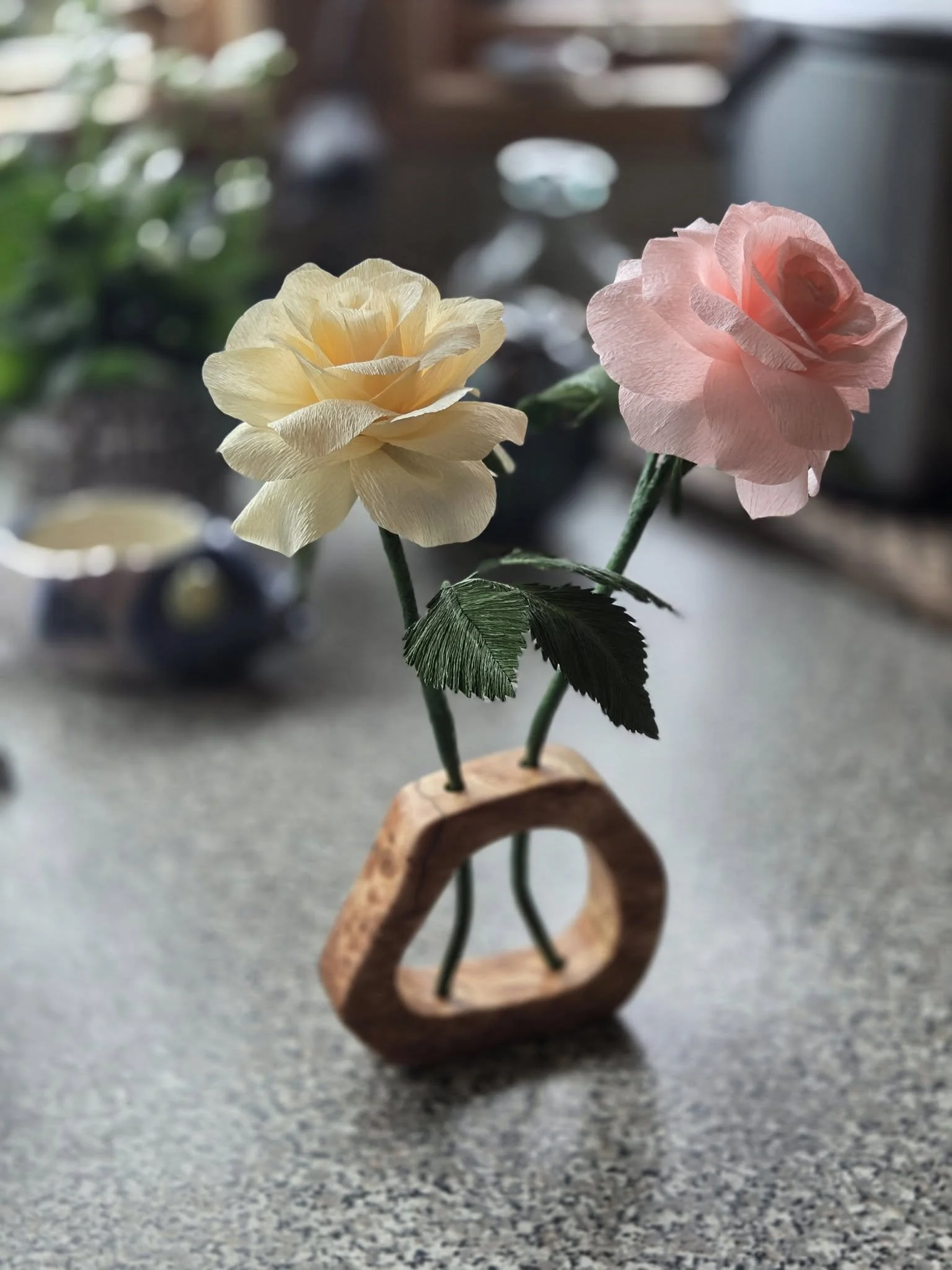
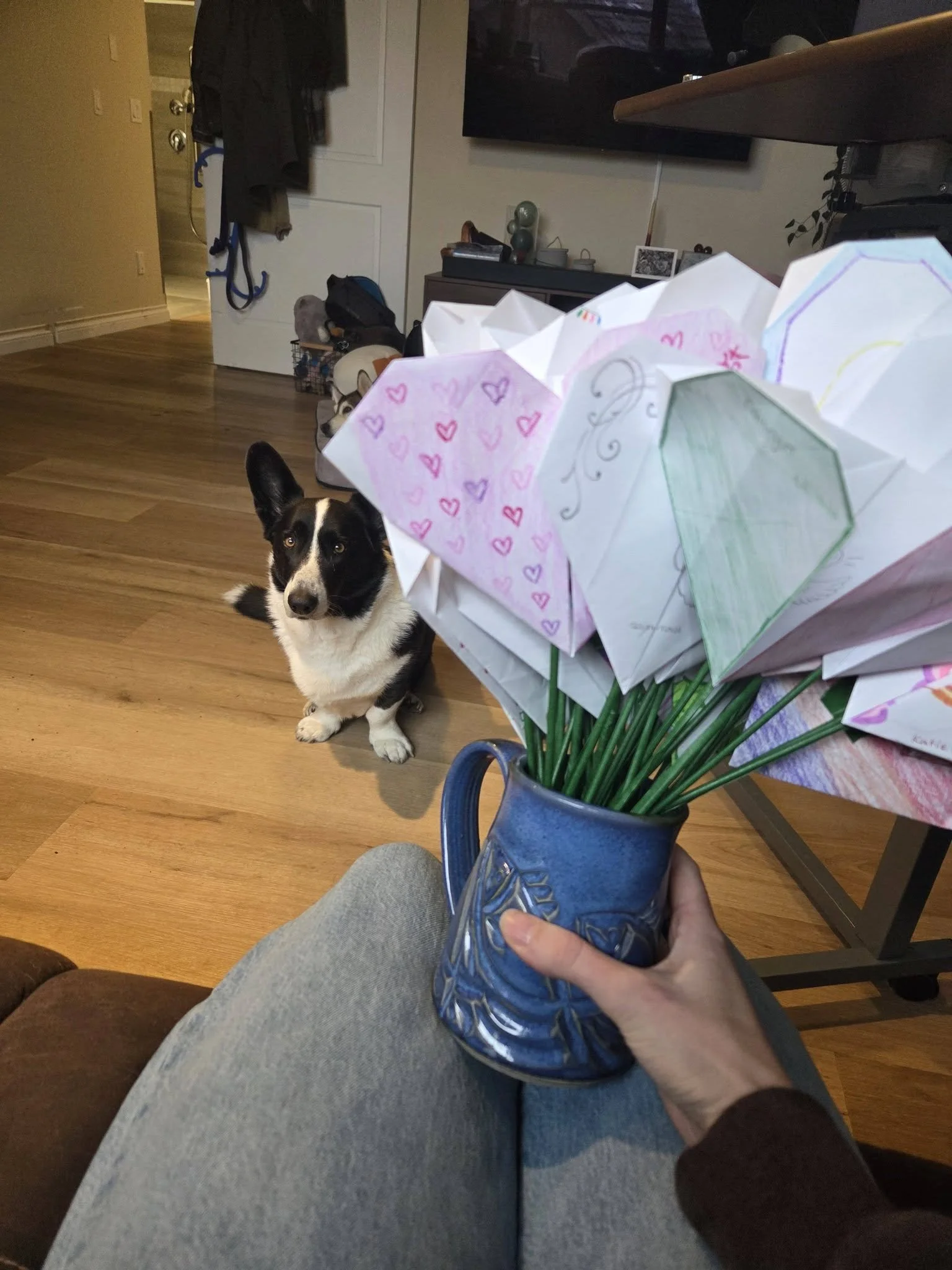
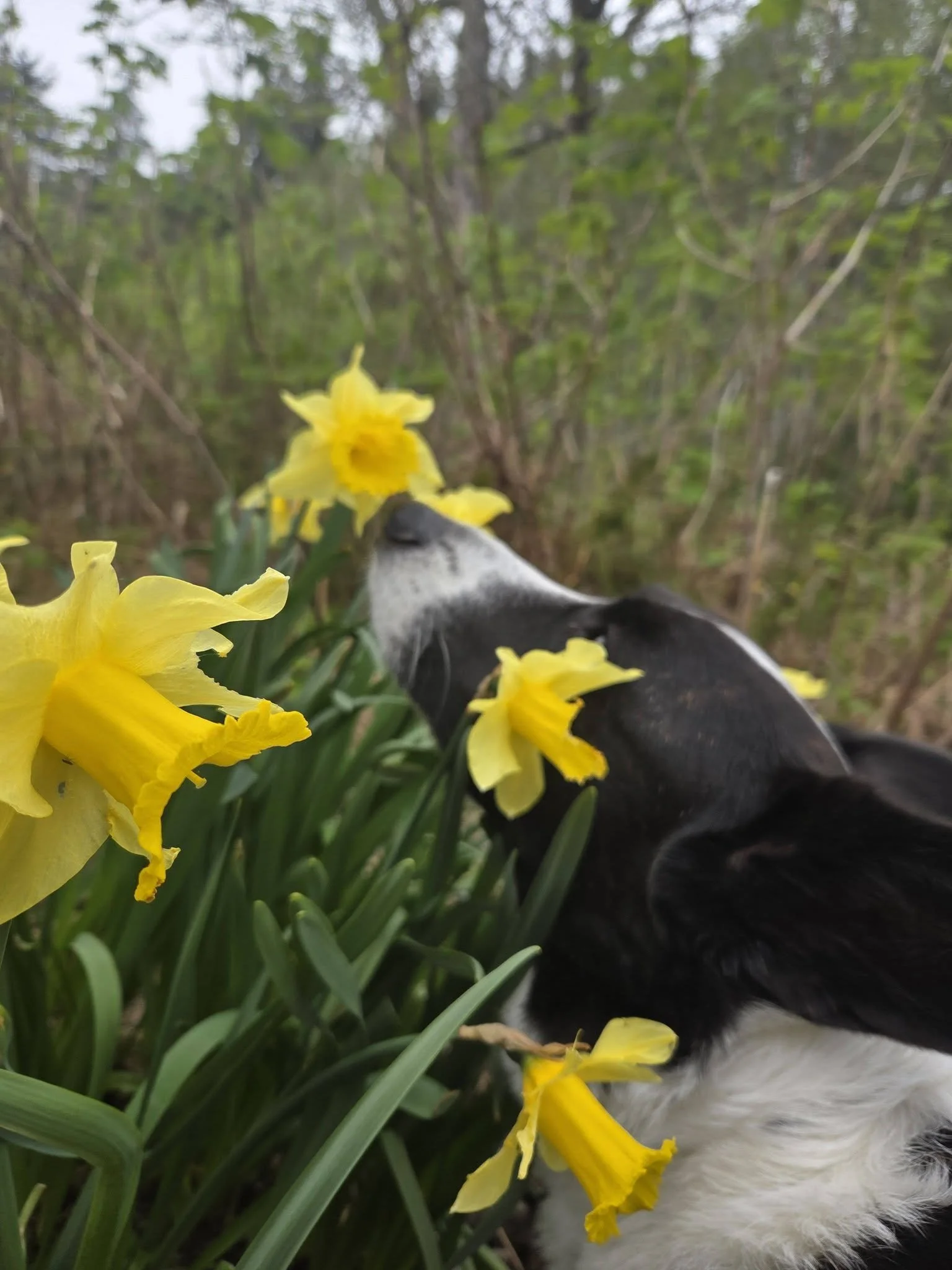
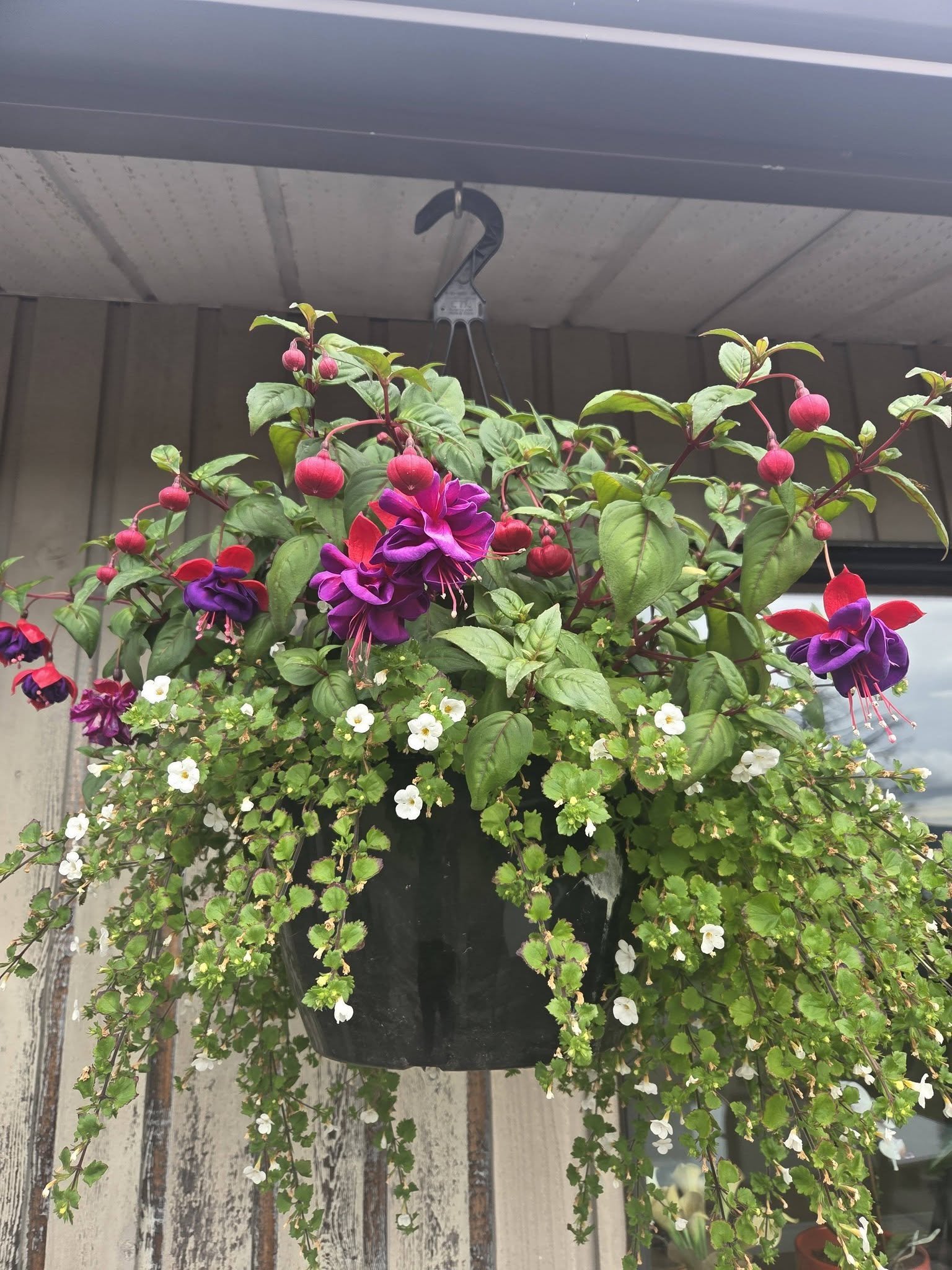
On our walks, we stop to enjoy the flowers of each season. Cards themselves sprouted from cups, a bloom of love from youth. Sometimes they are digital cards today, sent just as Mom would have done, to us on Messenger. Often these come from other mothers, reminding us that even without ours, so many have room in their hearts for us, too. How beautiful is that, to have another mother holding you in the absence of your own?
On Haida Gwaii, glass balls or floats are a different kind of “currency”. Beginning in the early 1900’s, Japan began making these glass floats. Today, it’s a privilege to find one among the rocks and driftwood on the beaches. As they become increasingly rare to find, you can imagine that gifting one to someone is a tremendous sign of respect.
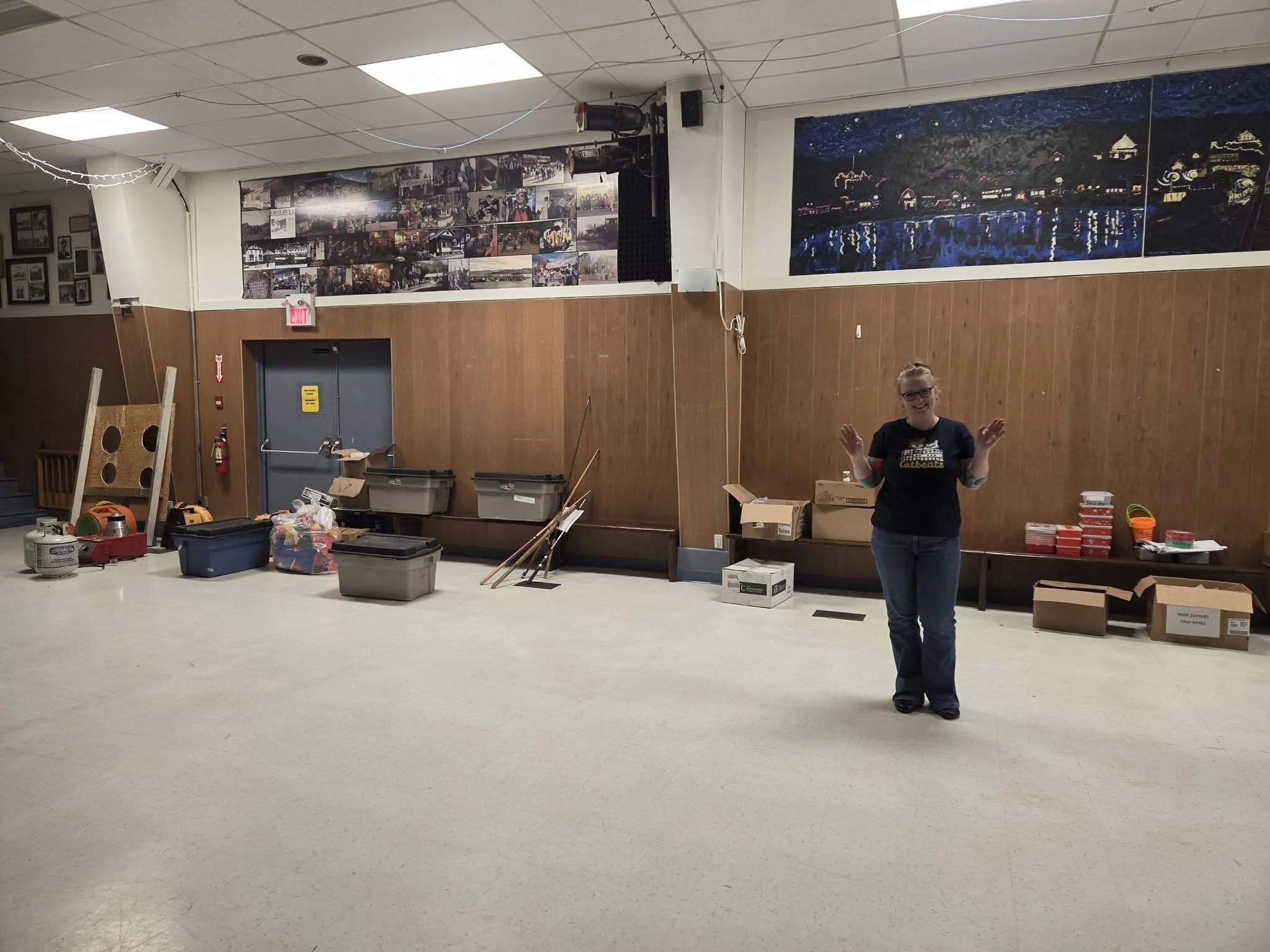
Back in early summer, I sat and ate my lunch with some community members. While I don’t play keno, I like to hear their stories. I often hear stories of my mom when she first moved to the island. When you lose someone, those stories are more precious than ever. Taking time to sit, listen, and absorb is healing work.
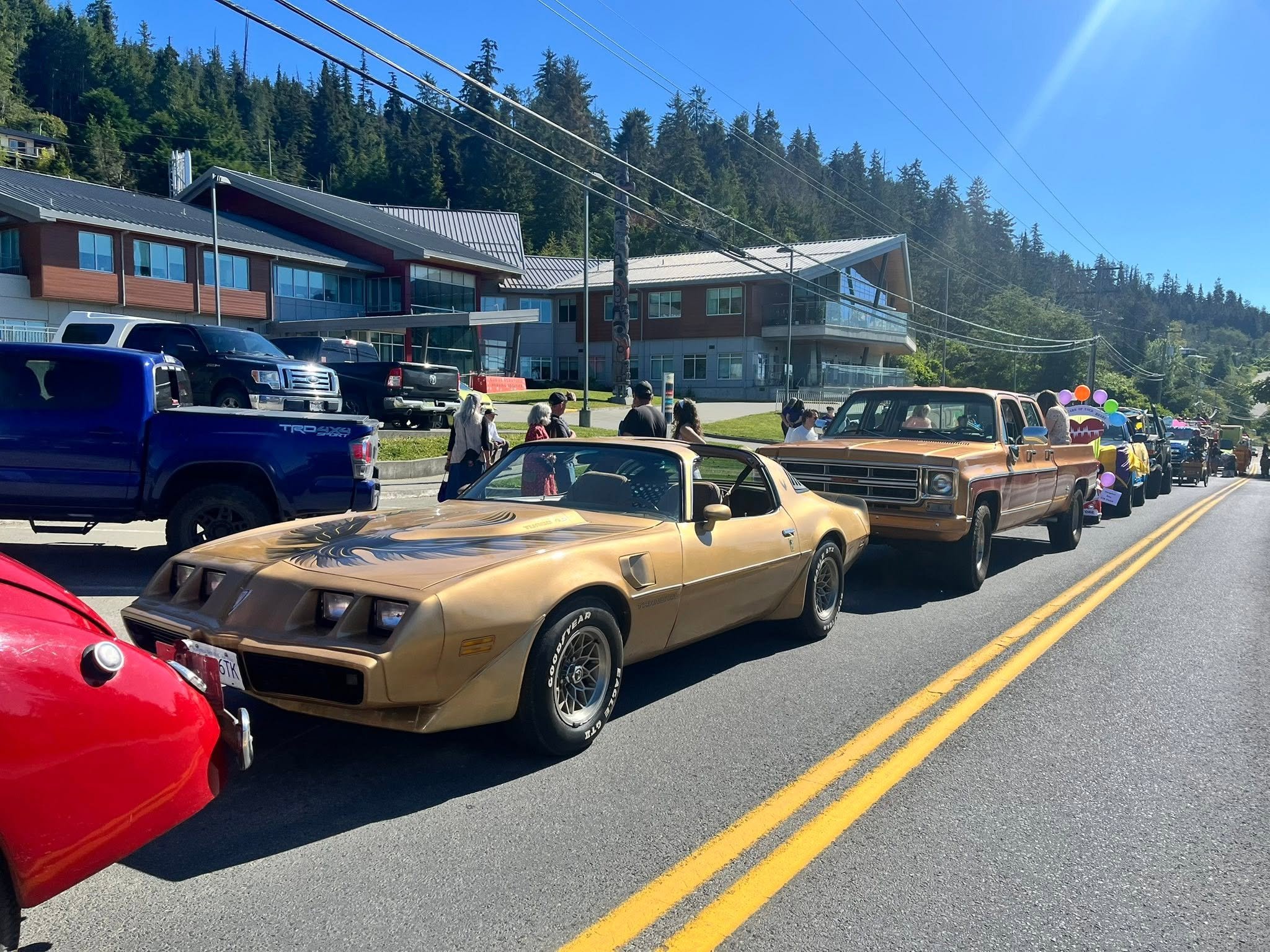
It’s only more healing when you’re driving your dad’s 1979 Firebird through a parade while he’s working, and you’re stopped by one of the women you had spoken with. She hands you a pink tissue-wrapped item, and you thank her and drive off. As you park, you peek in and see a glass rolling pin. Not only have I never found a glass ball or a glass rolling pin, but a cylindrical one is even rarer. And to be given that was the epitome of what being “held” feels like. You don’t always remember what someone said. But you remember how they made you feel. They had felt profound loss themselves and, in their own way, knew the language of what being held feels like.
Choosing to Show Up
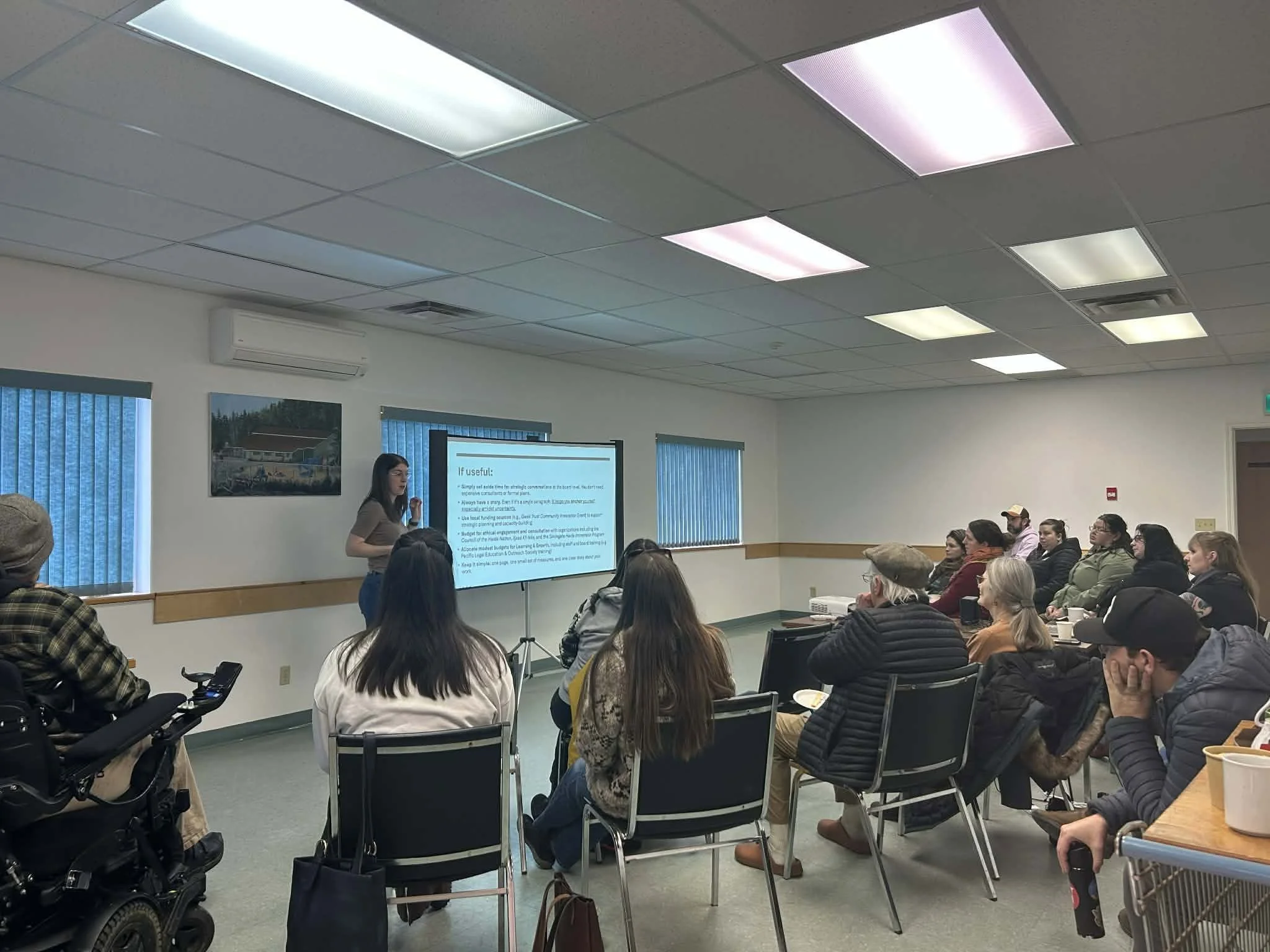
Shortly before Mom’s Celebration of Life, I presented the findings from my school research project. I had made a commitment to myself to finish it, and a commitment to the people who took part to share what I had learned back with the community. Standing in front of a crowd of people was hard. It was also healing. People showed up and listened, and I left feeling that something I had carried for a long time had been received.
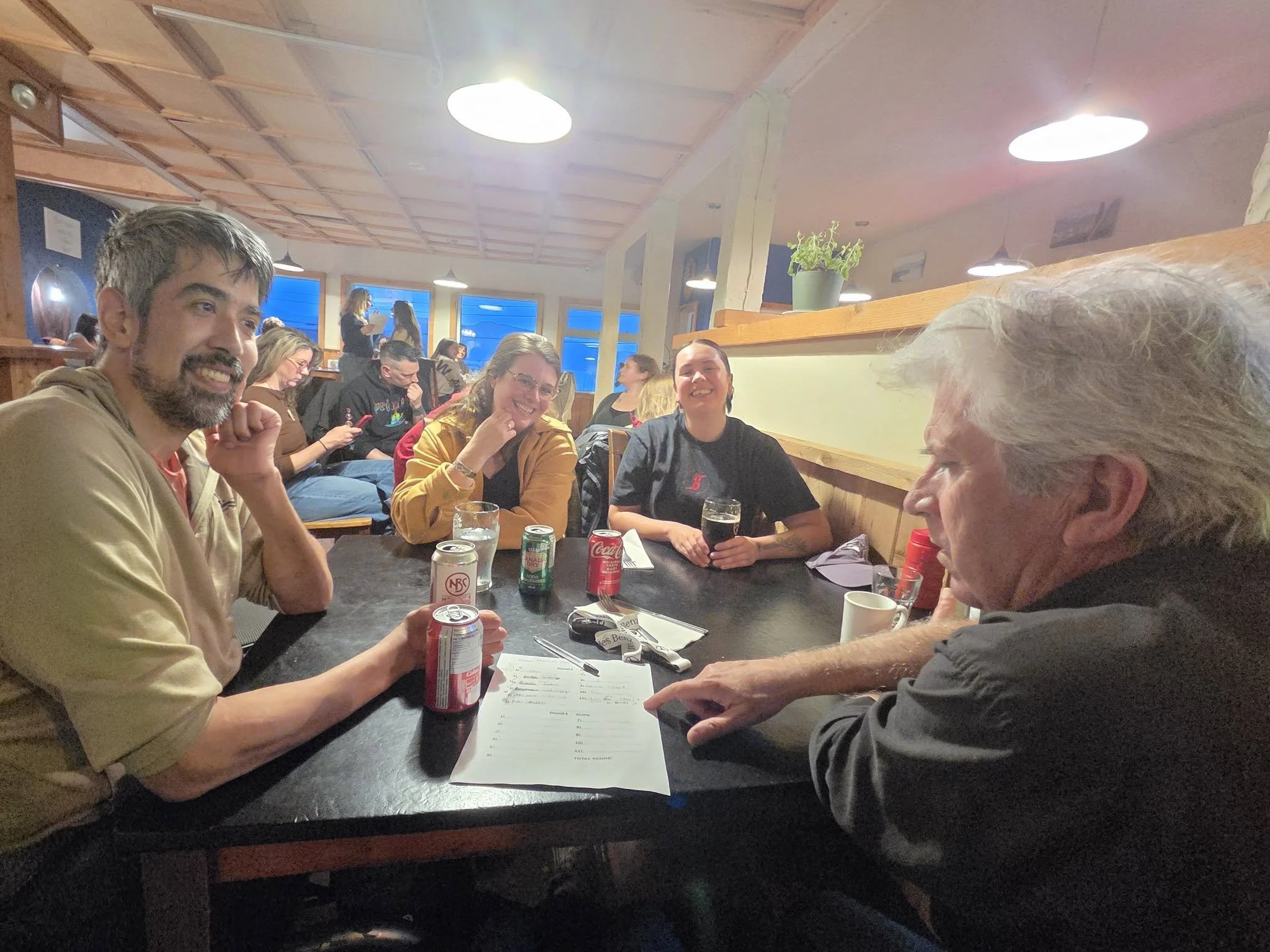
We went to trivia with friends and Dad. It was hard to go out, and I’m glad we went. After a loss, even deciding to sit at a table with other people can take effort. Sometimes being in community is a choice you make for an evening. Sometimes the choice is to stay home.
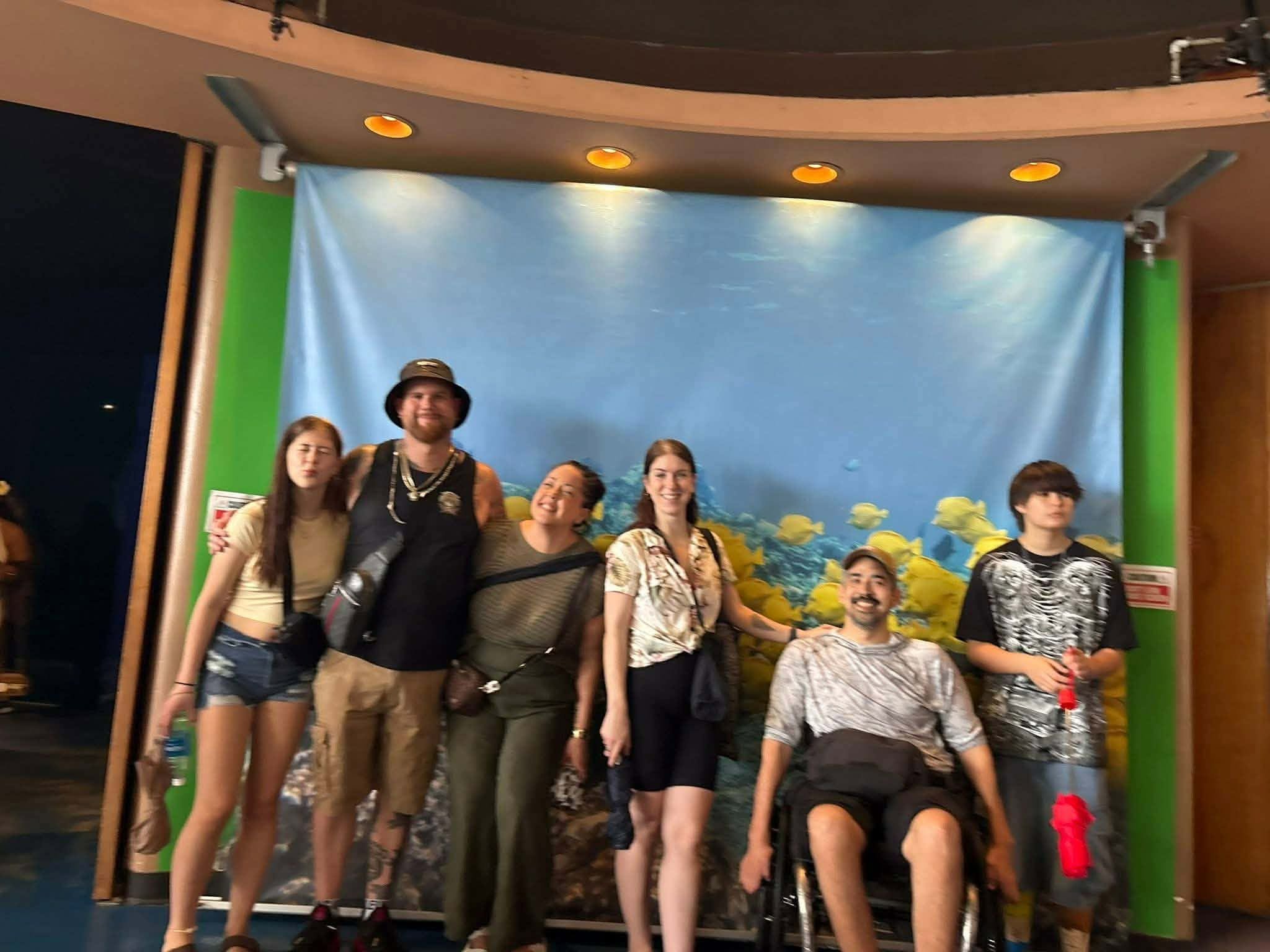
The other side of the family went to Hawaii, too. Both sides of the family have lost a mother. It was a challenging trip for everyone, but being somewhere we could have a little anonymity gave us space to hold ourselves and one another. We could spend time together without every conversation beginning with what had happened.
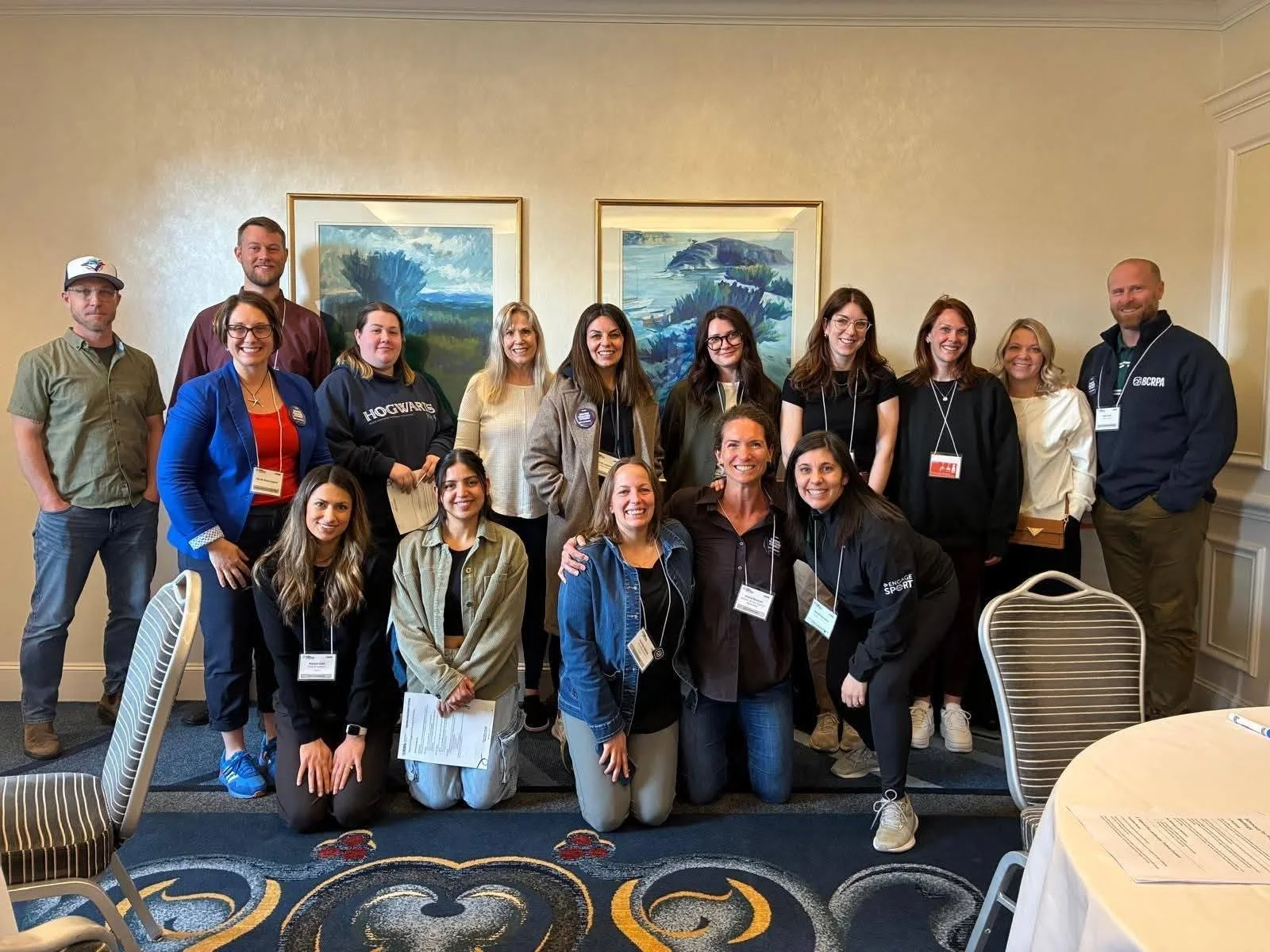
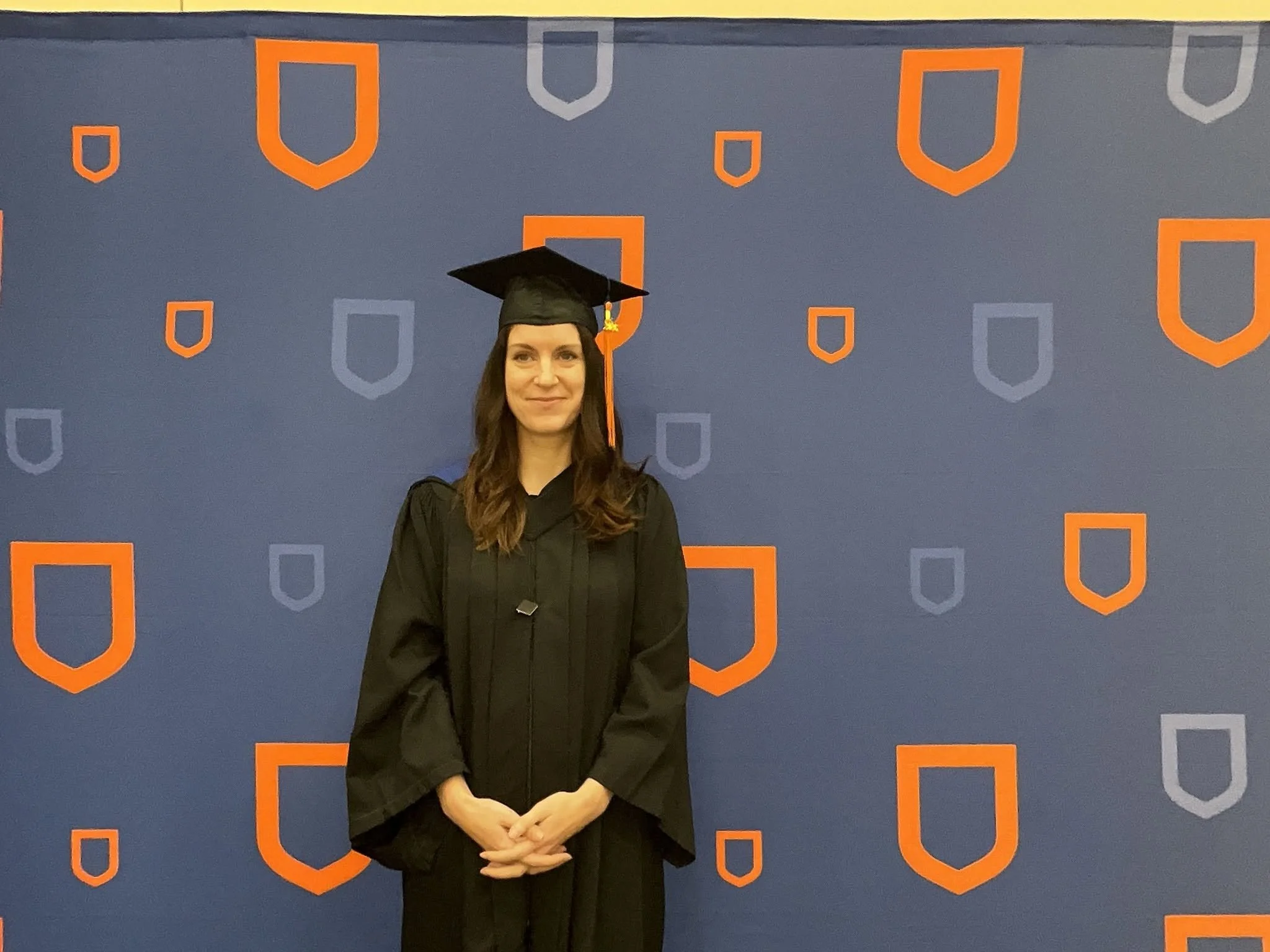
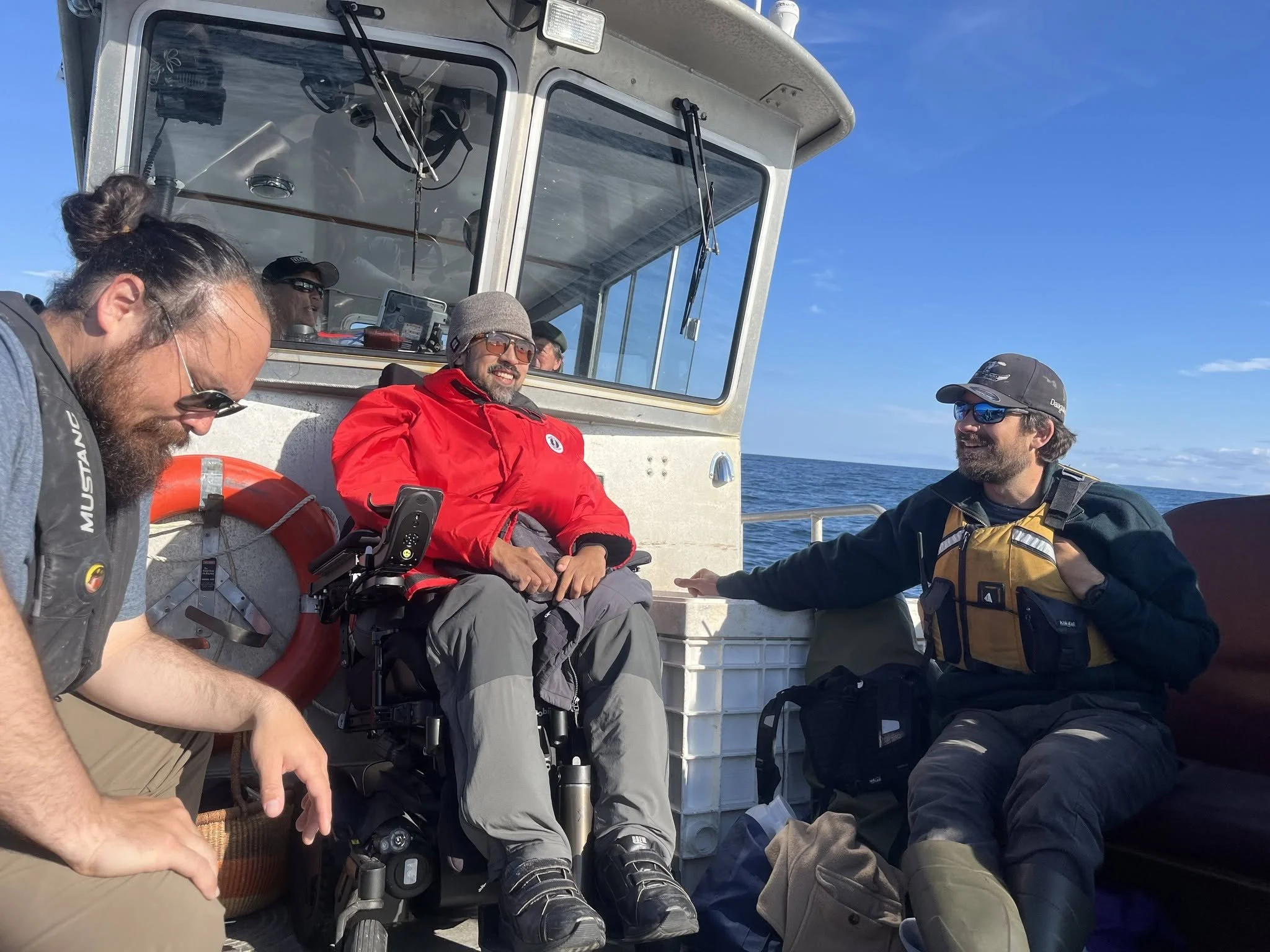
Friends came to help. Others made things possible that we couldn’t have done alone. I went to a conference and talked about my mom to new friends, too. I took myself to Athabasca for graduation, and I hugged a woman ahead of me in tears as she told me she missed her mom, and I was able to say, “Me too.” We both crossed the stage with our caps straight and without tears. You never really realize how much we need each other until we do. How brave it is to show up, even when there is grief. Through the Whistler Adaptive Sports Program this summer, Tauren climbed a rock wall, a big feat as a C6 quadriplegic. Literally held up with a human counterweight as he climbed heights we never knew possible. With help from Highlander Marine and friends, we travelled to Gwaii Haanas National Park, lifting his wheelchair on and off the vessel, his first visit back in 8 years. I think about those days alongside all the quieter ones. Tauren’s loss of the ability to walk changed our daily lives years ago. Since then, we’ve learned a great deal about grief, persistence, and accepting help. Some of what has carried us through those years is carrying us through these tremendous losses, too.
I don’t want to suggest that getting out is the answer to grief. Some days we have held ourselves by resting or stepping away. Other days we’ve held each other by going somewhere together, even when it was difficult. And sometimes people have held space for us simply by helping us get there and letting us be as we are.

Long Live All the Magic We Made
There’s no right way to move through grief and to heal. But here are some of the ways we did it.
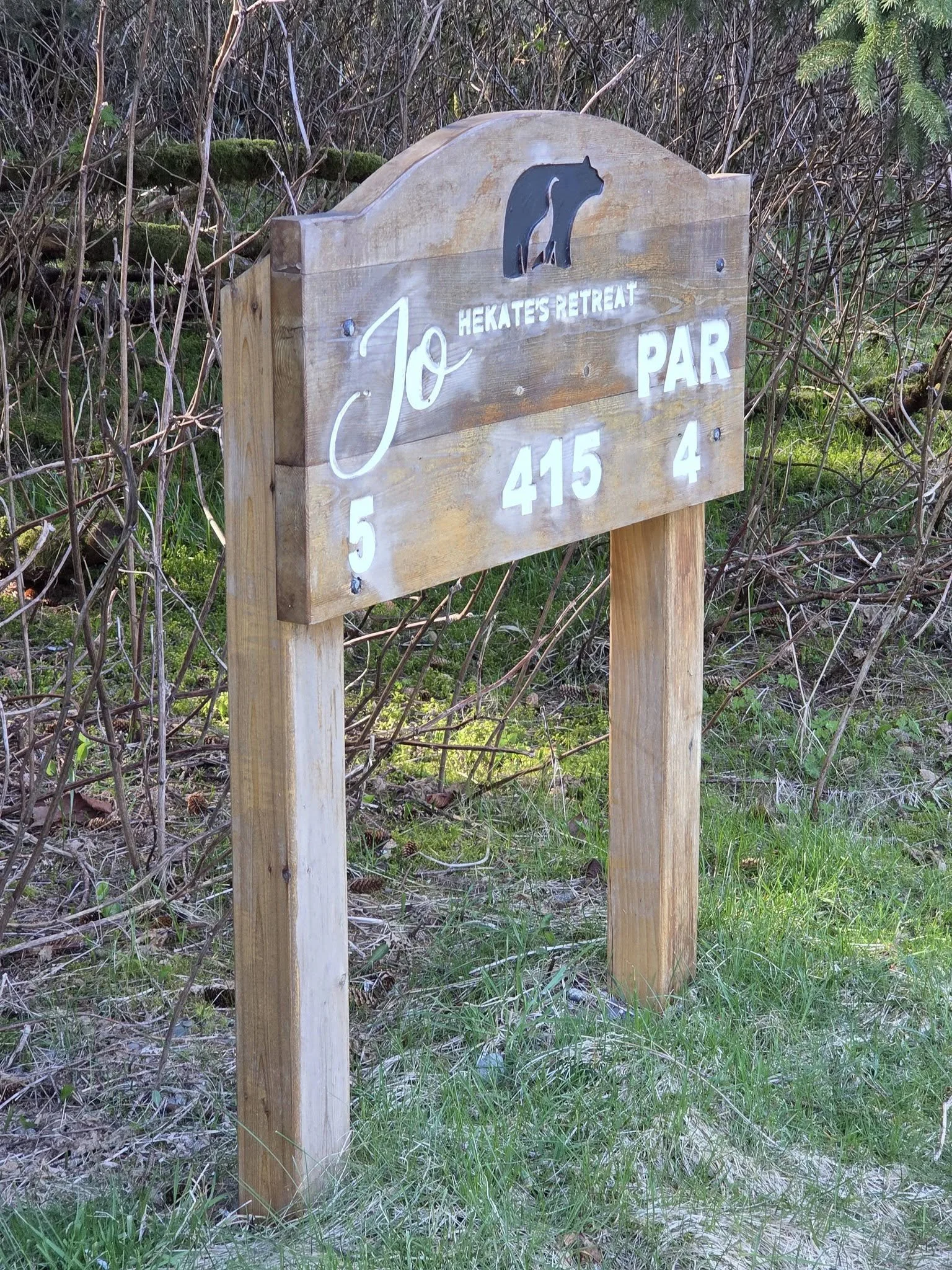
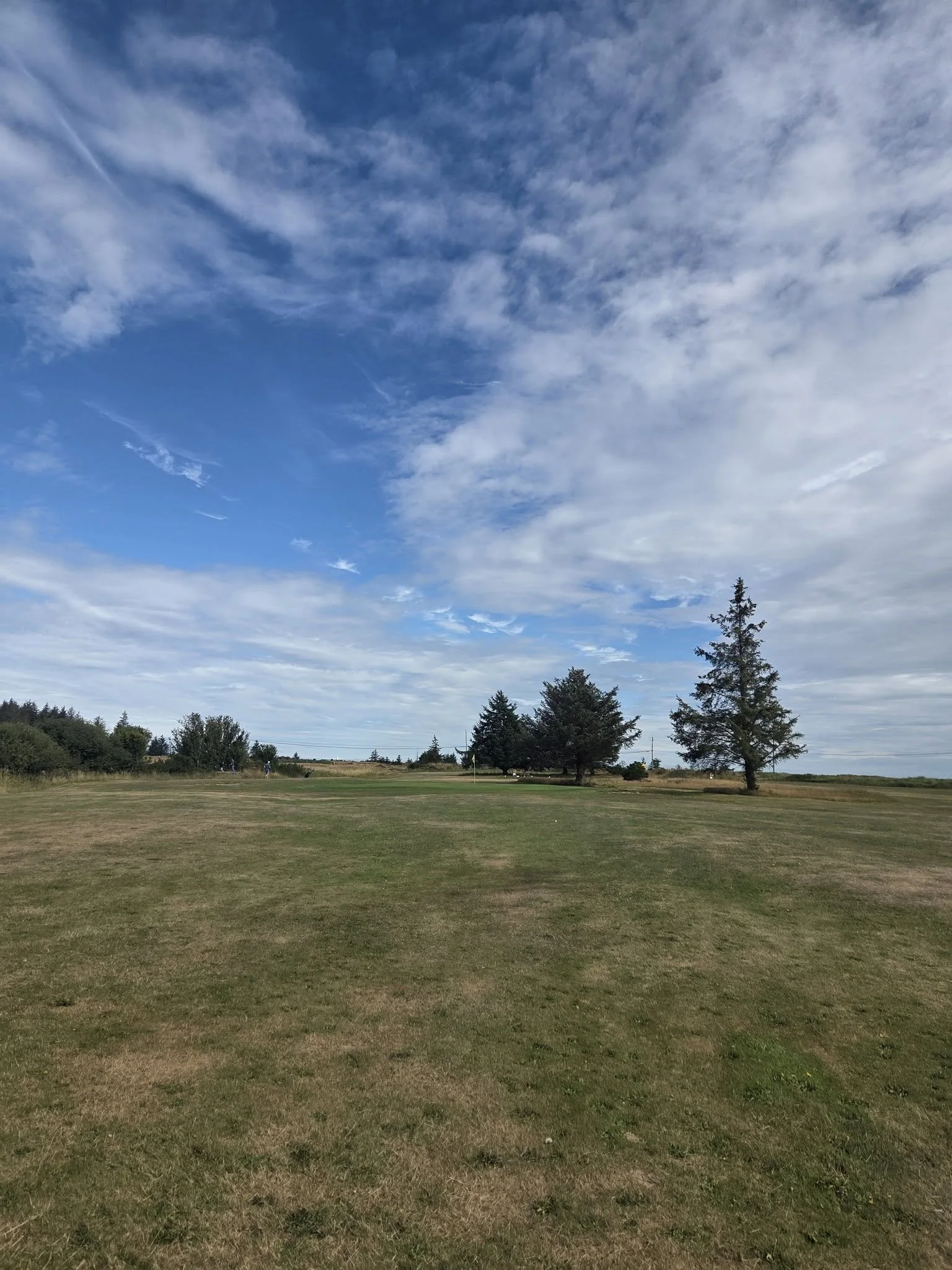
We played golf together. Dad and I got out a couple of times. We talked about mom and had some laughs on the “Jo” hole.
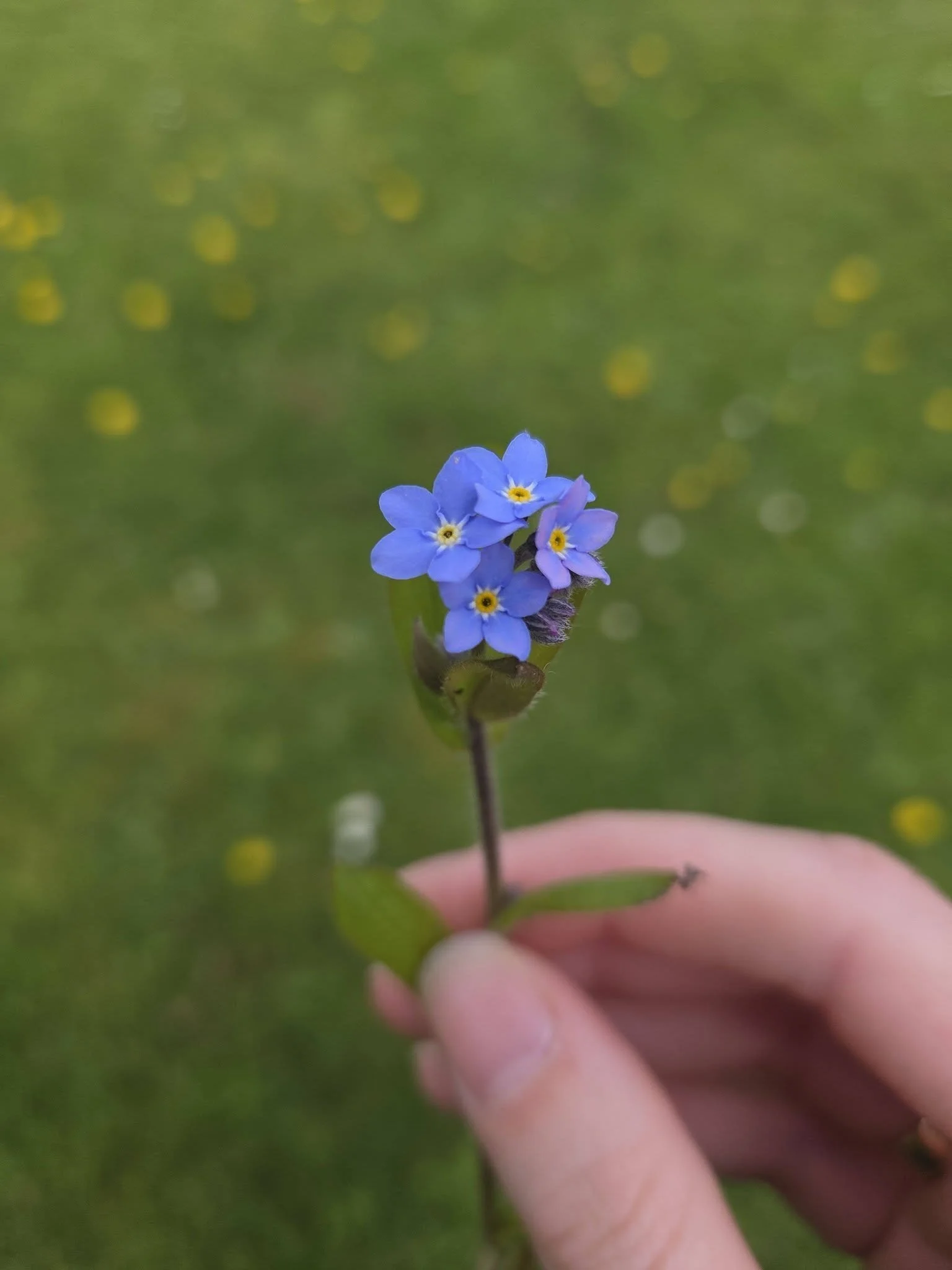
We admired the flowers. My favourite: Forget Me Nots
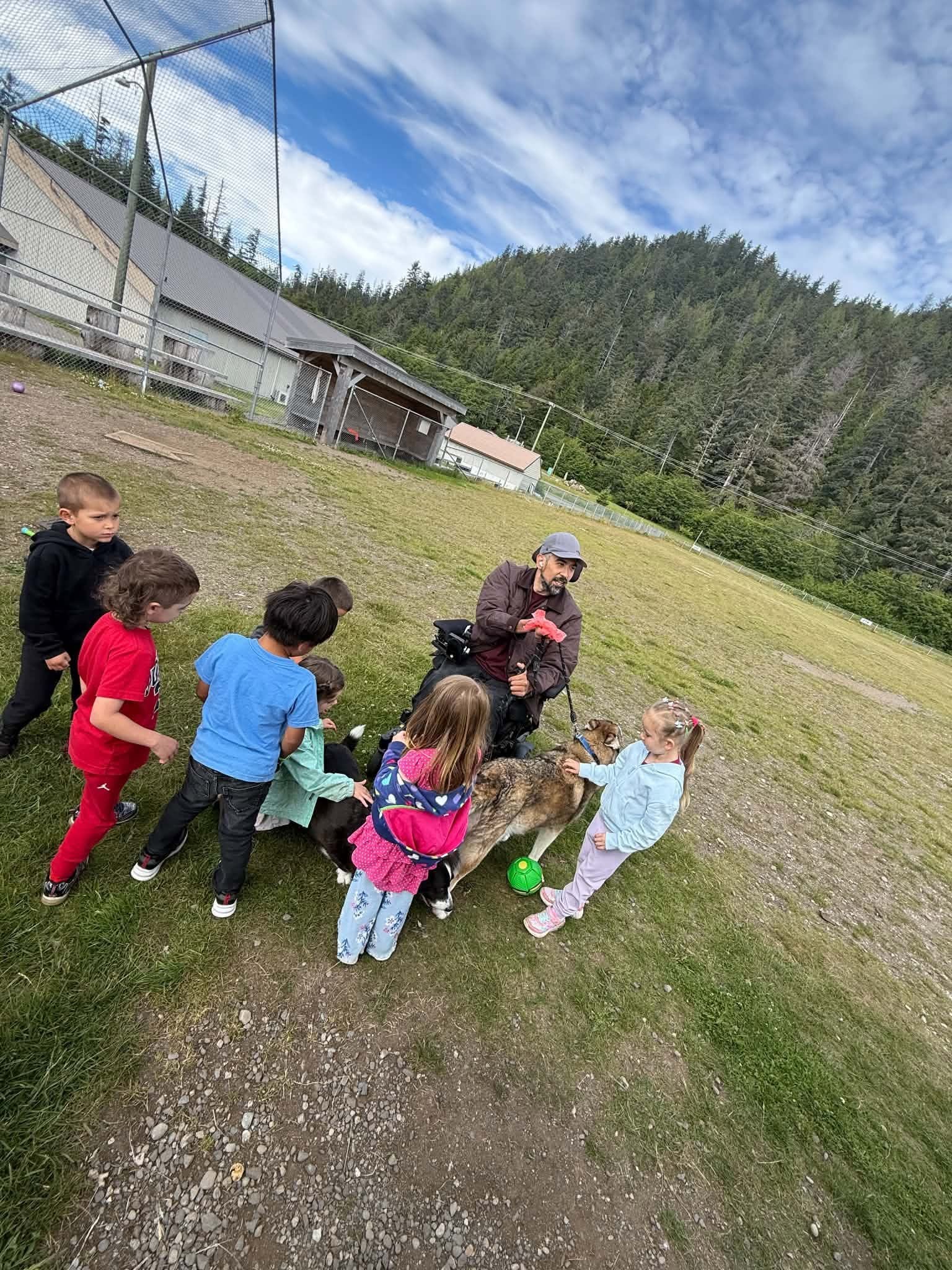
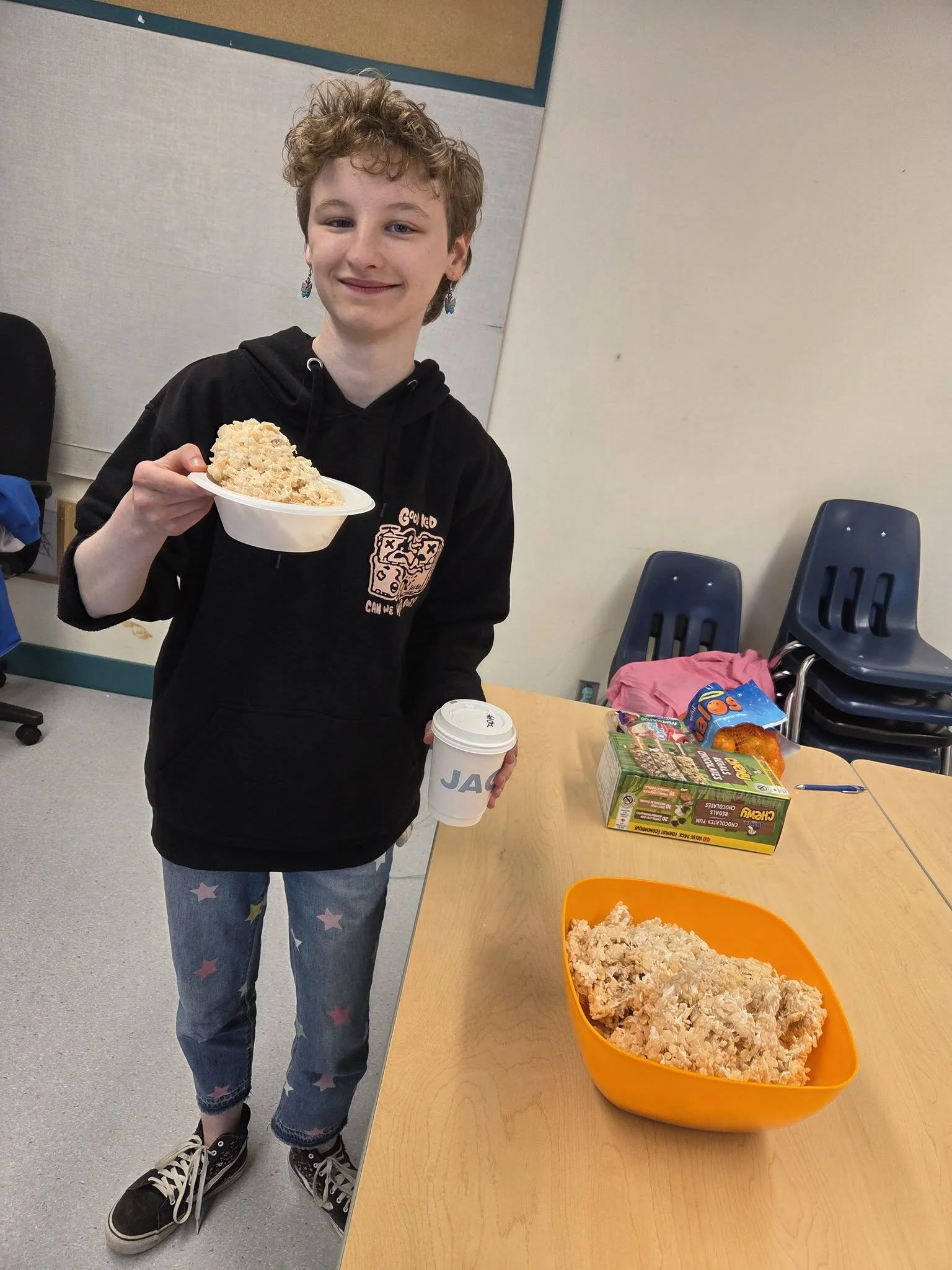
We got outside and naturally, found ourselves in spaces that made us smile. A pack of pre-schoolers coming out to play is always welcome.
We shared time and space with sweet humans. Emily sang, “Long Live” by Taylor Swift on our drive home from camp one day, and mom would have just loved it. A song about remembering what you built and lived through with other people was poignant.
We showed up for others. At races, at events, on birthdays, at graduations - whenever we could. Celebrate the good out there and accomplishments, everyone needs it.
Watched the sunsets. Pink Skies by Zach Bryan hits different.
We reflected. In each and every day, not a moment goes by where you don’t wish they could be there. A quiet hum. A view to share. But remaining present and sharing it with the people today is important. I find myself worrying less about the future and remaining in the present.
We stepped back when we needed to. Some days were filled with gratitude; on others, honestly, we felt anger. When we were overwhelmed, stepping back gave us room to feel what we felt without taking it out on someone else. Anger was a normal part of grief. Grief was never an excuse to hurt others.


In the End
Community is something we return to, again and again. After a loss, we may need people around us one day and space to ourselves the next. Sometimes we are grateful; sometimes we are angry. We can show up, step back, and come back when we are ready. Each time, we learn a little more about what it means to be held and how to hold one another. What a gift it is to love and to be loved, and to have lost.
I am grateful for being held when I needed it most, and to know now what it means to hold others.
