Field Notes: Speaking with Intention in a Small Town
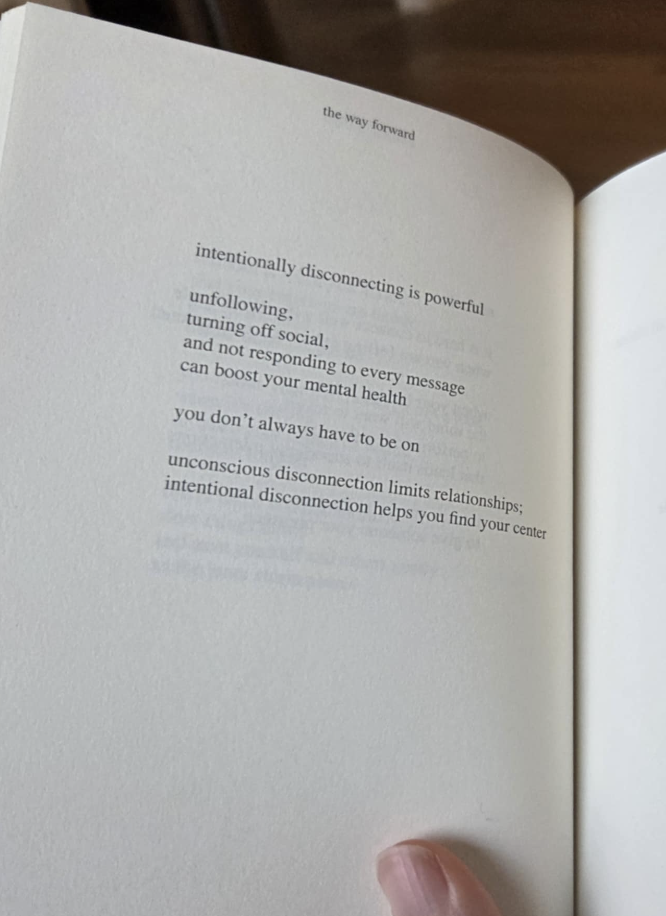
After seeing Australia restrict social media use for kids under 16 years of age, I couldn’t help but think more about how we should do the same as adults. My intent with this post was to take what I might have once written on a Facebook thread, ripen it with intention, put two hands on a keyboard, and craft it into something that feels safer and less triggering when contained here, in this space.
A lesson I wish I had learned sooner.
If you really care about the people here, your community, you don’t just groan about them online. There’s a time and place for frustration, but not everything we feel needs to be shared. I’ve been guilty of rushing to post when triggered. That reflexive need to say something before reflecting. Growing up with the worldwide web means many of us are still learning what it means to live, and communicate online, for the first time, regardless of our age.
In small towns, that can be especially tricky. Here, our online words don’t vanish into the crowd; they ripple through our workplaces, schools, and family tables. And behind those ripples are real people. Often the same ones we’ll run into at the grocery store, the ferry terminal, or a community fundraiser.
Accountability Over Outrage
My long-term friends remind me what accountability really looks like. They message privately, tell me when I’ve missed the mark, and accept my apologies. That’s maturity: realizing that half of what you want to say doesn’t need to be said. Once, something I wrote online hurt someone. I apologized and followed up in person. Ten years ago, I would have been too scared to do that. But that’s how things are made right. Not through posts, but through people.
The truth is, outrage is easy. It rewards us quickly. It makes us feel seen. But accountability is slower, quieter, and requires something deeper from us: reflection, discomfort, and often, forgiveness. Online, the loudest voice wins the algorithm. In small communities, that same loudness can fracture trust, isolate neighbours, and make people afraid to show up. Yet silence isn’t always the answer either. The real work is speaking when needed, but with care. Holding people accountable without dehumanizing them.
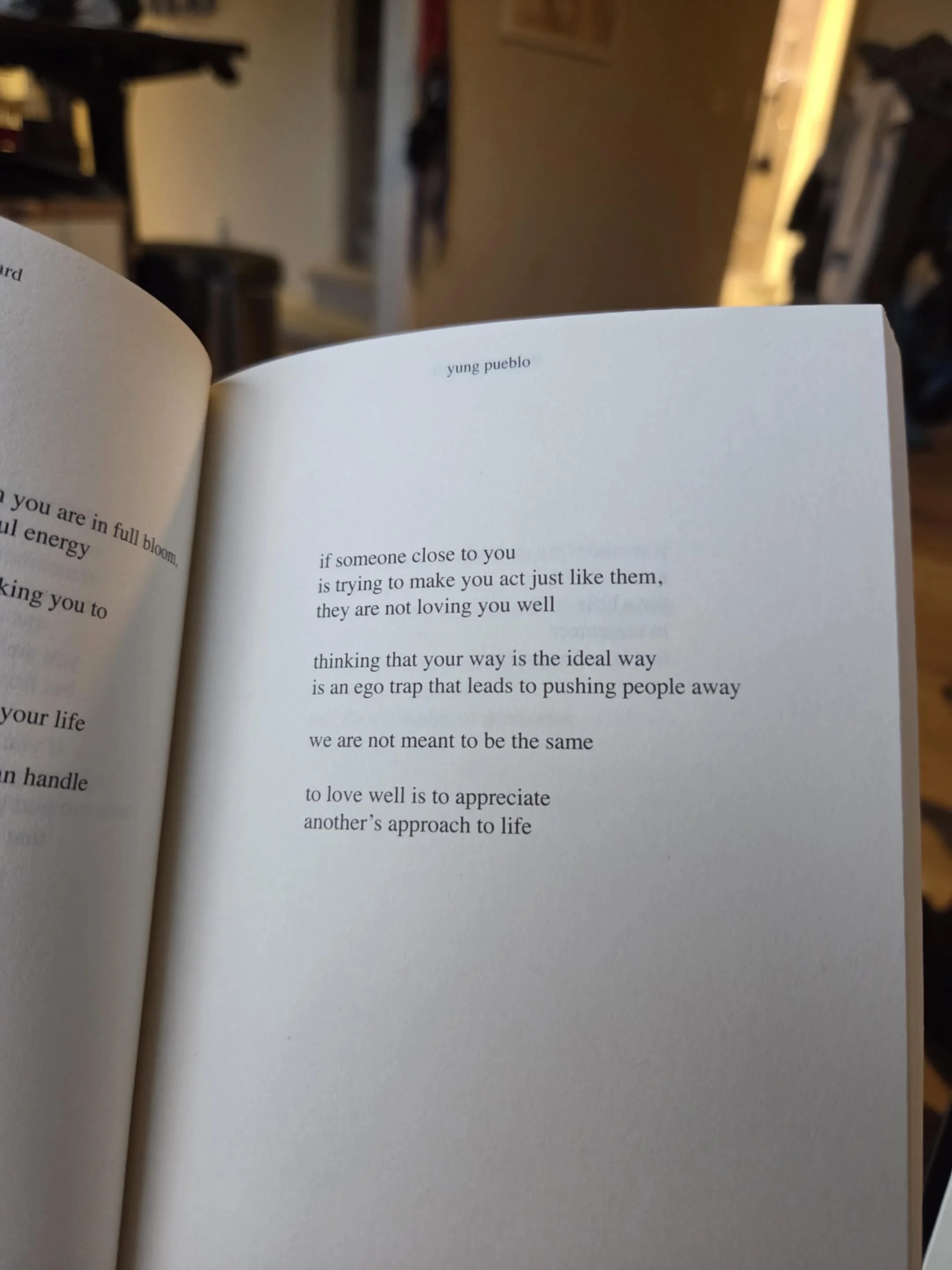
If you come with pitchforks, be ready to accept apologies too. If someone hurts you, I don’t suggest you let that fly either. Boundaries matter. But as Yung Pueblo writes, “trying to make people understand you is a form of control.” Love and integrity are not about convincing others to agree — they’re about acting with clarity and letting go of the need to be validated.
The Unpopular Work of Public Health
Public health has taught me that truth isn’t always popular. Those of us who share evidence-based perspectives about climate, vaccines, addiction, or housing are sometimes seen as pessimists, progressives, or “too serious.”
I’ve learned that advocacy doesn’t always sound gentle. Sometimes it means raising questions about things like AirBnbs or housing affordability, not because I want to attack someone personally, but because I care about the collective impacts. That can make people uncomfortable, especially in small places where the personal and political overlap.
It’s a tension I live with often. I can post about an issue and still greet that same person with kindness in the grocery line. Both can be true. Public health isn’t about popularity; it’s about care. It’s about choosing honesty even when it costs you comfort. But that honesty does not always land the way we hope. Science often competes with something much louder: marketing. In a world that rewards speed, certainty, and aesthetics, evidence can seem boring or pessimistic. Facts rarely trend. Emotion does. Algorithms reward outrage, not nuance.
The same systems designed to connect us are powered by persuasion. Every click and reaction teaches the machine what to feed us next, and it rarely feeds us patience, compassion, or complexity. When even adults are influenced by tone, repetition, and branding, it is no wonder so many people feel exhausted by the noise. Across Canada, that exhaustion from social media use shows up as loneliness — now recognized as a growing public health issue that affects both mental and physical wellbeing.
The Way Forward
If social media has taught us to react, maybe maturity is learning to pause. To speak from calm instead of chaos. To remember that we are all still learning how to live publicly for the first time. We talk about protecting kids from the harms of social media, and we should. But we forget that we were the first ones exposed to it — the trial run generation that learned to curate, overshare, and perform before we ever understood what that meant. We built the digital world they’re growing up in. So if we want them to do better, we have to correct ourselves, too.
Maybe the work now is not about withdrawing completely, but showing up differently. Slower. Softer. With intention. To be the adults who model repair instead of ridicule. Accountability instead of outrage. Kindness even when no one’s watching. Because connection will always matter more than control and love will always speak louder than the algorithm. And to intentionally disconnect. Thank you to my lovely friend Tiegan for mailing with intention this important read.
